Wall lights and LED ceiling lights are fixed luminaires: the wall light mounts on the wall —ideal beside the bathroom mirror— and the ceiling light sits flush against the ceiling to give general lighting. In damp rooms, the key to choosing safely is to respect the right IP rating for each zone or volume.
Choosing lighting for the bathroom, or for any room with humidity, is not just about design: it is about safety. A beautiful wall light fitted with an insufficient protection rating is a risk; the right one lasts for years without trouble. In this guide you will see what sets a wall light apart from a ceiling light, how to read the IP rating, what protection each zone of the bathroom needs and how to get the colour temperature and lumens right. All the models mentioned come from the real product pages of the wall-light and lighting catalogue at Merkimarket.
Key facts about LED wall and ceiling lights
- Wall light: a luminaire fixed to the wall; in the bathroom it goes above or beside the mirror for even light on the face.
- Ceiling light: a low-profile luminaire mounted on the ceiling, designed for the general lighting of the room.
- IP rating: two figures; the first protects against solids (0-6) and the second against water (0-8). In bathrooms, the second one rules.
- Recommended minimum near the basin: IP44 (protection against splashes).
- Colour temperature: 4000K (neutral) for the face; 5700K (cool) for a more technical light; 2700-3000K (warm) for ambience.
- Technology: integrated low-consumption LED, with typical powers of 7 to 20 W depending on size.
- Brands in the catalogue: Roca, Salgar and Aquore, with chrome, bright-metal, white and black finishes.
With this you can already get your bearings; below we develop each point so you can buy without doubts.
Black Friday deals on bathroom lighting
During the Black Friday 2026 campaign we have gathered a selection of LED wall lights genuinely reduced from their RRP. These are some of the discounts verified as of today in the wall-light catalogue:
| Product | Black Friday price | RRP | Discount |
|---|---|---|---|
| Pandora Salgar LED wall light 31 cm (chrome) | 44,17 € | 60,50 € | −27% |
| Delight 80 cm LED mirror light Roca | 229,24 € | 296,45 € | −23% |
| Smartlight 50 cm LED mirror light Roca | 202,39 € | 260,15 € | −22% |
| Delight 50 cm LED cabinet/mirror light Roca | 154,93 € | 196,02 € | −21% |
The Pandora LED wall light by Salgar is the most affordable option and the one with the biggest discount, perfect for lighting the mirror with a neutral chrome finish; if you want to light a large mirror, the 80 cm Delight wall light by Roca bathes the whole surface with even light. See all deals.
Prices and availability as at the publication date; subject to change.
LED wall light or ceiling light: what sets them apart
Although both are fixed luminaires and today almost always use integrated LED technology, they serve different functions and the ideal is to combine them.
The wall light is fixed to the wall and projects light horizontally or up and down. In the bathroom it is the star piece above the mirror: placed at the right height, it lights the face from the front and removes the harsh shadows under the eyes and chin caused by overhead light. Models like the Roca Smartlight or the Aquore Veronica are designed exactly for this.
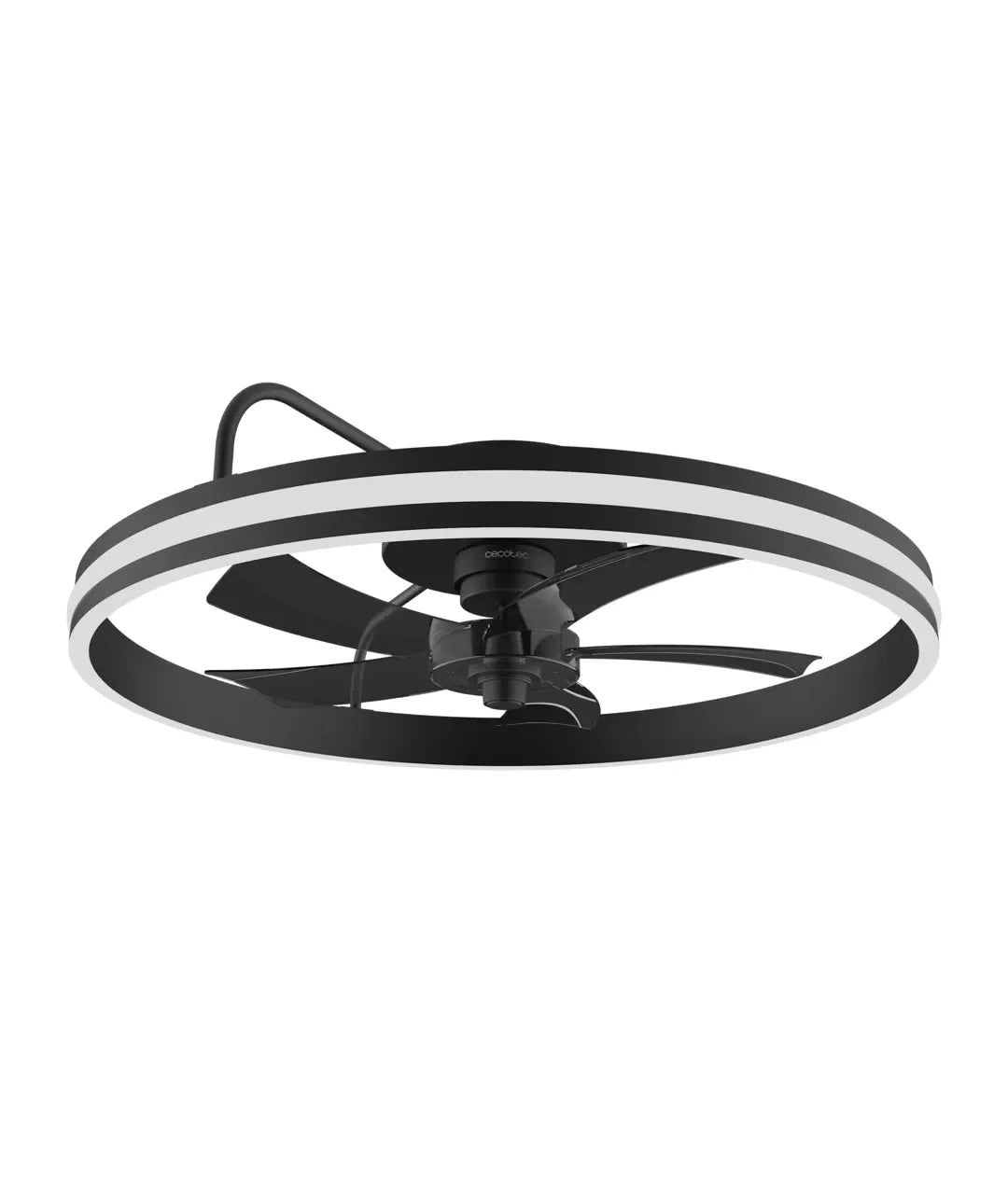
The ceiling light mounts flush against the ceiling with a very low profile (which is why they are also called surface luminaires) and spreads a general, even light across the whole room. It is the lighting base of a bathroom, a hallway or a bedroom. The usual approach is to use the ceiling light for ambient light and the wall light for task light beside the mirror.

IP rating: the figure that really matters in the bathroom
The IP rating (from Ingress Protection) indicates how much a luminaire’s housing protects against the entry of solid bodies and water. It is expressed with two digits: the first (from 0 to 6) measures protection against dust and objects; the second (from 0 to 8), protection against water. In a bathroom, the one that matters is the second.
To get your bearings, these are the values you will see most often:
- IP20: only suitable for dry zones, with no risk of splashes (a bedroom or a hallway).
- IP44: protected against water splashes from any direction. It is the recommended minimum for the basin and mirror area.
- IP65: dust-tight and protected against water jets; suitable for very exposed zones or those near the shower.
The bathroom zones and what protection each one needs
Electrical regulations divide the bathroom into volumes according to their distance from the bathtub or shower tray. The closer to the water, the greater the protection the luminaire requires:
| Zone | Where it is | Minimum IP rating |
|---|---|---|
| Volume 0 | Inside the bathtub or shower tray | IPX7 |
| Volume 1 | Directly above the shower or bathtub (up to 2.25 m) | IPX4 (IPX5 if there are jets) |
| Volume 2 | 60 cm around volume 1 | IPX4 |
| Outside the volumes | Rest of the bathroom (basin, mirror) | IP44 recommended |
The “X” in IPX4 means that the figure for protection against solids is not decisive at that point; what matters is resistance to water. When in doubt, go up a level: an IP44 where an IP20 would do is never too much.
Where and at what height to place the mirror wall light
Placement completely changes the result. For a wall light above the mirror, the general recommendation is to position it about 10-20 cm above the top edge of the mirror, centred, or else to fit two vertical wall lights on both sides at eye level (roughly 1.60-1.70 m from the floor). The side ones are the best technical option because they light the face from the front and without shadows, ideal for shaving or putting on make-up.
For the ceiling light, centre it in the room or over the walkway. If the bathroom is long, a powerful ceiling light in the centre plus the mirror wall light are usually enough; in large bathrooms it is worth spreading two points of light across the ceiling.

Colour temperature and lumens: light that flatters
Two figures mark the quality of light. The colour temperature, in kelvin (K), defines the tone: a neutral 4000K light is the most versatile for the bathroom because it reproduces skin colours well; the cool 5700K, like that of the Aquore Miracle or the Veronica, gives a more technical and bright atmosphere; and the warm 2700-3000K adds warmth but is less accurate in front of the mirror. Some models, like the Aquore Ruth 2, are adjustable and let you switch between three tones with memory.
The lumens measure the amount of light. For the mirror area, look for a luminaire that provides enough even light; for the general light of the bathroom, reckon around 200-300 lumens per square metre as a reference. A good 7-8 W LED wall light, like the Salgar Pandora, more than covers the lighting of a standard mirror.
Materials, finishes and brands in the catalogue
In mirror wall lights, metal is the reference material for its resistance to humidity and its stable finish. Roca covers this range with series such as Delight, Smartlight and Starligh, in sizes from 28 to 80 cm and finishes in bright and plated metal, designed for mirror and cabinet. Salgar contributes the Pandora model in chrome, compact and economical. Aquore works aluminium with white and black finishes and a strong focus on the bathroom: Veronica, Miracle, Vega (neutral 4000K light) or the adjustable Ruth 2.
As for the finish, chrome and white are the most neutral and go with almost any tap; matt black has become fashionable and looks great in modern bathrooms, though it is best combined with the rest of the elements. If you already have gold or black taps, try to make the lighting follow the same language.

How to choose your wall or ceiling light in 5 steps
- Define the zone and its IP rating. Look at where the luminaire will go and respect the minimum IP: IP44 near the basin, more protection the closer to the shower.
- Decide on a wall light, a ceiling light or both. Ceiling light for general ceiling light; wall light for task light above the mirror. In most bathrooms, both.
- Choose the colour temperature. 4000K neutral for the mirror; warm only if you prioritise ambience over accuracy.
- Match the size to your mirror. A 28-30 cm wall light for small mirrors; 50-80 cm for wide or cabinet mirrors.
- Combine the finish. Chrome or white for neutral; matt black for a design touch to match the taps.
Once you are clear about the zone and the IP rating, explore the wall-light catalogue at Merkimarket and compare models such as the Aquore Veronica wall light for the bathroom or the Salgar Pandora wall light in chrome. To go deeper, our guides on bathroom mirrors with LED light and colour temperature and lumens for lighting each room will help.
Frequently asked questions about LED wall and ceiling lights
What IP rating do I need for a bathroom wall light?
For the basin and mirror area, the recommended minimum is IP44, which protects against splashes. Near the shower or bathtub you will need more protection (IPX4/IPX5 depending on the volume), and in very exposed zones, IP65.
Where is the mirror wall light placed?
Ideally it is positioned about 10-20 cm above the top edge of the mirror, centred, or else two vertical wall lights on the sides at eye level. The side ones light the face from the front and avoid shadows.
What colour temperature is best for the bathroom?
Neutral 4000K light is the most versatile because it reproduces skin colours well. Cool 5700K gives a more technical and bright atmosphere, and warm (2700-3000K) adds ambience but less accuracy in front of the mirror.
What is the difference between a wall light and a ceiling light?
The wall light mounts on the wall and is used as task light, especially beside the mirror; the ceiling light sits flush against the ceiling and gives the general light of the room. The usual thing is to combine both.
Article written by the Merkimarket editorial team. Technical data (models, finishes, powers and colour temperatures) taken from the product pages of the Merkimarket lighting catalogue. IP ratings and installation recommendations follow the usual practice of Spanish electrical regulations; consult an installer for your specific case. Prices and availability as at the publication date; subject to change.