Colour temperature (measured in degrees Kelvin) determines whether light is warm, neutral or cool, while lumens measure the total amount of light a bulb emits. Lighting each room well means combining the right number of lumens for how the space is used with the colour temperature that creates the atmosphere you want.
For years we chose bulbs by watts, but a watt only measures consumption, not light. With LED technology that reference stopped working: today a 9 W spotlight can give off more light than an old 60 W bulb. To get it right you need to understand two figures that appear on every box and every product page: the lumens (how much light) and the degrees Kelvin (what colour). This guide explains both and gives you the recommended amounts room by room, with real examples from the Merkimarket lighting catalogue.
Key facts about home lighting
- Lumens (lm): measure the amount of light emitted. This is the figure to look at when buying, not the watts.
- Colour temperature (K): warm light 2700-3000 K, neutral 4000 K, cool 5000-6500 K.
- Watts (W): only indicate electrical consumption; with LED they no longer serve to estimate the light.
- Luminous efficacy: lumens per watt (lm/W); the higher it is, the more light with less consumption.
- CRI: colour rendering index; look for 80 or more so colours look natural.
- Practical living-room rule: between 100 and 300 lumens per square metre depending on how the room is used.
- IP rating: in bathrooms and outdoors check the protection against moisture (IP44 or higher near water).
With these figures in mind you can now read any product page. Below we develop them and apply them to each room.
Black Friday deals on lighting
Taking advantage of Black Friday 2026, these are some genuinely reduced ceiling and wall lighting references at Merkimarket. Prices verified as of the publication date:
| Product | Black Friday price | RRP | Discount |
|---|---|---|---|
| LED mirror wall light Delight 80 cm (Roca) | 229,24 € | 296,45 € | −23% |
| LED mirror wall light Smartlight 50 cm (Roca) | 202,39 € | 260,15 € | −22% |
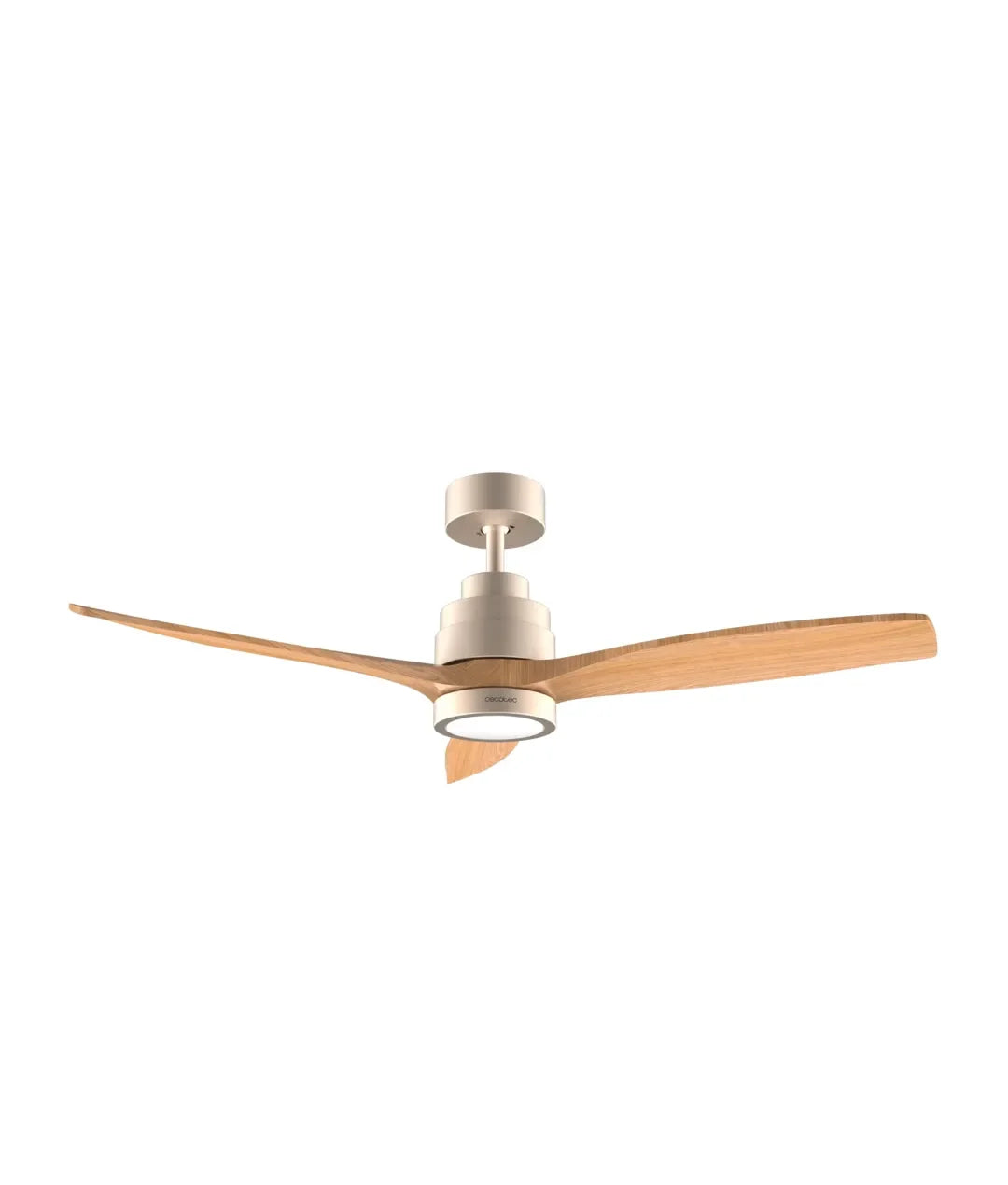
| Aero 650 FlowLight ceiling lamp, 3 light tones (Cecotec) | 84,90 € | 106,12 € | −20% |
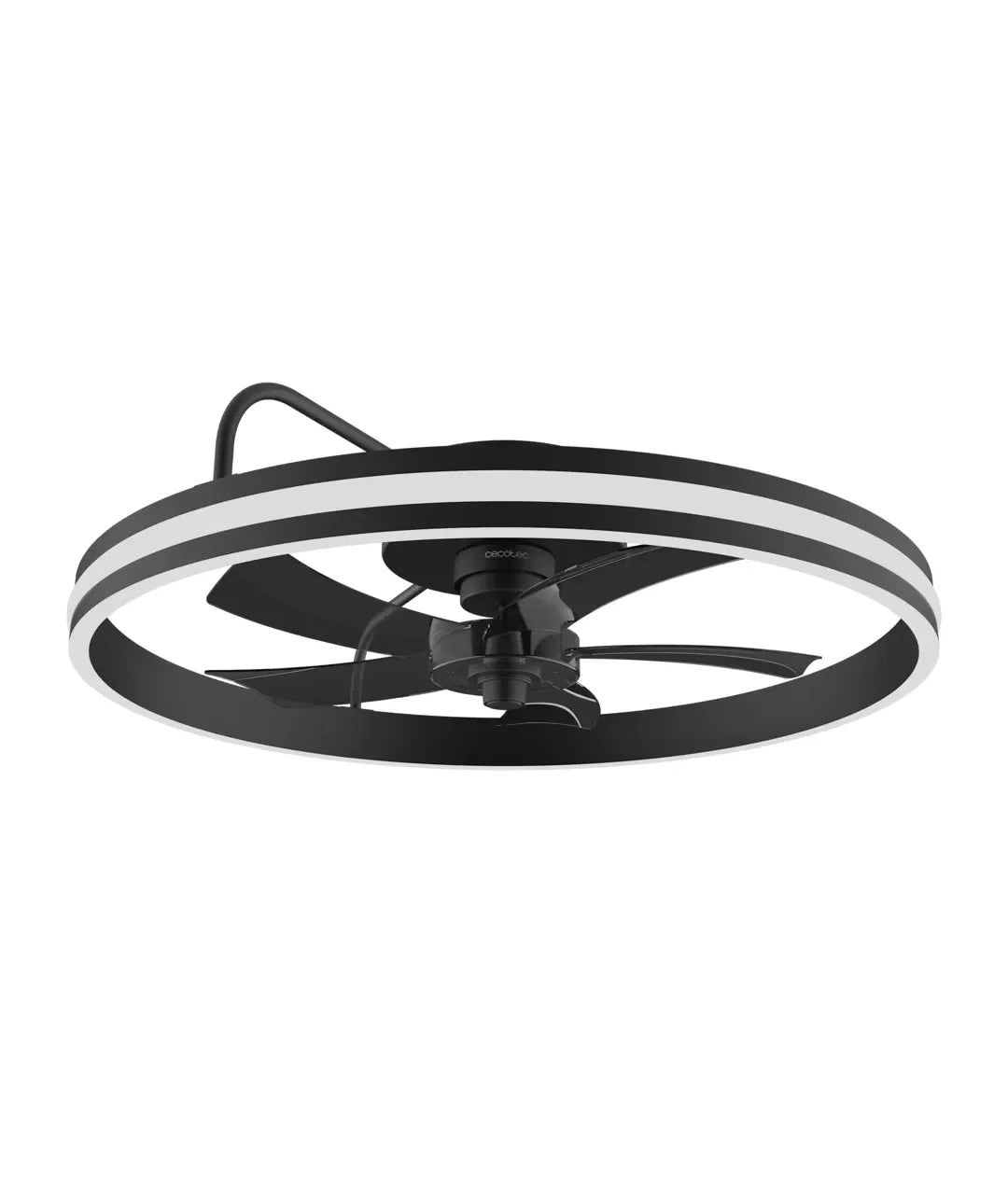
| Aero 600 ceiling lamp with 40W LED light (Cecotec) | 62,90 € | 78,62 € | −20% |
If you are looking for adjustable light for the living room, the Aero 650 FlowLight ceiling lamp lets you switch between three light tones with a remote control; and to light the bathroom mirror, the Smartlight 50 cm wall light from Roca is an option with a notable discount. See all lighting deals.
Prices and availability as of the publication date; they may vary.
What lumens are (and why we no longer look at watts)
The lumen is the unit that measures the total amount of light a source emits. It is the figure that really matters when you want to know whether a lamp gives a lot of light or very little. The watt, by contrast, only measures the energy it consumes: in old incandescent bulbs there was a more or less stable relationship between the two (a 60 W bulb gave about 700 lumens), but LED broke that equivalence. Today, thanks to its high luminous efficacy (lumens per watt), an LED lamp achieves the same light with a fraction of the consumption.
As a quick reference for replacing old bulbs: around 450 lumens is equivalent to the old 40 W bulb, 800 lumens to the 60 W one, and around 1,500 lumens to the 100 W one. When you buy, always check the product's lumens and use the watts only to work out what you are going to spend.
What colour temperature is (degrees Kelvin)
Colour temperature describes the tone of the light and is expressed in degrees Kelvin (K). It has nothing to do with physical heat, but with the feeling: the lower the number, the warmer (more yellowish) the light; the higher it is, the cooler (bluer and whiter). It is the decision that most affects a room's atmosphere, even more than the amount of light.
These are the three ranges you should know:
- Warm light (2700-3000 K): cosy and relaxing. Ideal for the living room, bedroom and rest areas.
- Neutral light (3500-4500 K): balanced and natural. Perfect for the kitchen, bathroom and work areas.
- Cool light (5000-6500 K): stimulating and very clear. Useful in garages, storage rooms, make-up mirrors and precision tasks.

A useful trick: many current models, such as several wall lights and ceiling lamps in the catalogue, offer several selectable tones in the same product. That way you can adjust the light to the time of day without changing the lamp.
How many lumens you need per room
The amount of light depends on the size of the room and what you do in it. A simple way to estimate it is to multiply the square metres by the lumens recommended per metre for each use. This table gives you a rough guide:
| Room | Lumens per m² | Recommended temperature |
|---|---|---|
| Living room (general light) | 100-200 lm/m² | 2700-3000 K (warm) |
| Kitchen | 250-350 lm/m² | 4000 K (neutral) |
| Bathroom (general) | 200-300 lm/m² | 4000 K (neutral) |
| Bathroom mirror | 300-400 lm/m² | 4000-5000 K |
| Bedroom | 100-150 lm/m² | 2700 K (warm) |
| Study/work area | 300-500 lm/m² | 4000-5000 K |
For example, a 20 m² living room that you want to light generally will need around 2,000-4,000 lumens spread across several light points, never concentrated in a single bulb.
How to light the living room
The living room is the hardest space because it serves many functions: watching TV, reading, receiving guests or working. The key is not to rely on a single central ceiling light, but to combine several light sources and use warm light (2700-3000 K) to create a homely feel. Spread between 100 and 200 lumens per square metre across a general layer, and add support points where you need them.
A ceiling lamp with adjustable LED light is a good base for general lighting, especially if it includes several tones or intensity control to switch from an active daytime light to an ambient one at night. Complete it with a floor lamp next to the sofa for reading and, if you have shelves or pictures, with small accent points.

Kitchen, bathroom and bedroom: each room, its light
Kitchen. It is a work area, so prioritise neutral light (4000 K) and a good amount of lumens, between 250 and 350 per square metre. Reinforce with light under the upper cabinets so you don't work with your own shadow over the worktop.
Bathroom. Combine a neutral general light with specific lighting for the mirror, which is where you really need it to shave or put on make-up. LED mirror wall lights placed at the sides or above avoid shadows on the face. Always check the IP protection rating if they go near water.

Bedroom. Here warm (2700 K) and soft light rules. A dim general light plus adjustable bedside lamps on both sides of the bed is the combination that works best for reading without dazzling anyone already asleep.
The three layers of light: how to build them step by step
Good lighting projects don't use a single light, but three layers that combine. Setting them up is simple if you follow this order:
- General light. It is the base that lights the whole room evenly: a ceiling fixture, a ceiling lamp or several spotlights. Calculate the total lumens using the table above.
- Functional or task light. It reinforces the points where you do something specific: the kitchen worktop, the bathroom mirror, the study desk or the reading armchair. It usually requires more lumens and, often, more neutral light.
- Ambient or accent light. These are the points that give character: LED strips, wall lights or spotlights that highlight a picture or a shelf. They provide little light but a lot of atmosphere.
If you also install dimmers or lamps with several tones, the same room can switch from task light to relaxing light at the push of a button.
CRI, dimming and buying advice
Beyond lumens and Kelvin, there is a third figure that makes the difference: the CRI (colour rendering index). It measures how faithfully a light shows real colours, on a scale up to 100. For a home, look for a CRI of 80 or higher; below that, skin tones, food or clothes look dull or distorted.
When buying, prioritise products that clearly state their lumens, their colour temperature and their CRI, and value dimming: being able to lower the intensity or change the tone multiplies what you get out of the same lamp. Remember, too, that as a consumer in Spain you have a minimum legal warranty of three years against defects of conformity.
To keep refining your project, you will find our guides on types of ceiling lamps and how to place them, lighting ideas for modern bathrooms and how to create warmth with light helpful. And once you are clear on what you need, explore the whole ceiling and wall lighting catalogue at Merkimarket.
Frequently asked questions about colour temperature and lumens
Which is better for the living room, warm or cool light?
Warm light, from 2700 to 3000 K, is recommended for the living room because it creates a cosy and relaxing atmosphere. Cool light is reserved for work areas or precision tasks.
How many lumens do I need to light a room?
It depends on the use: between 100 and 200 lumens per square metre in a living room or bedroom, and between 250 and 350 in kitchens and bathrooms. Multiply the square metres by that figure to estimate the total.
Do watts indicate how much light a bulb gives?
No. Watts measure electrical consumption, not light. With LED technology you should look at the lumens to know how much a lamp lights.
What colour temperature is best for the bathroom?
For the bathroom a neutral light of around 4000 K works well for general lighting, and a tone between 4000 and 5000 K at the mirror to see details clearly when shaving or putting on make-up.
Article written by the Merkimarket editorial team. The lumen and colour-temperature recommendations are indicative and may vary depending on the room and personal taste. Product prices and availability as of the publication date; check each product page for the current information in Spain.