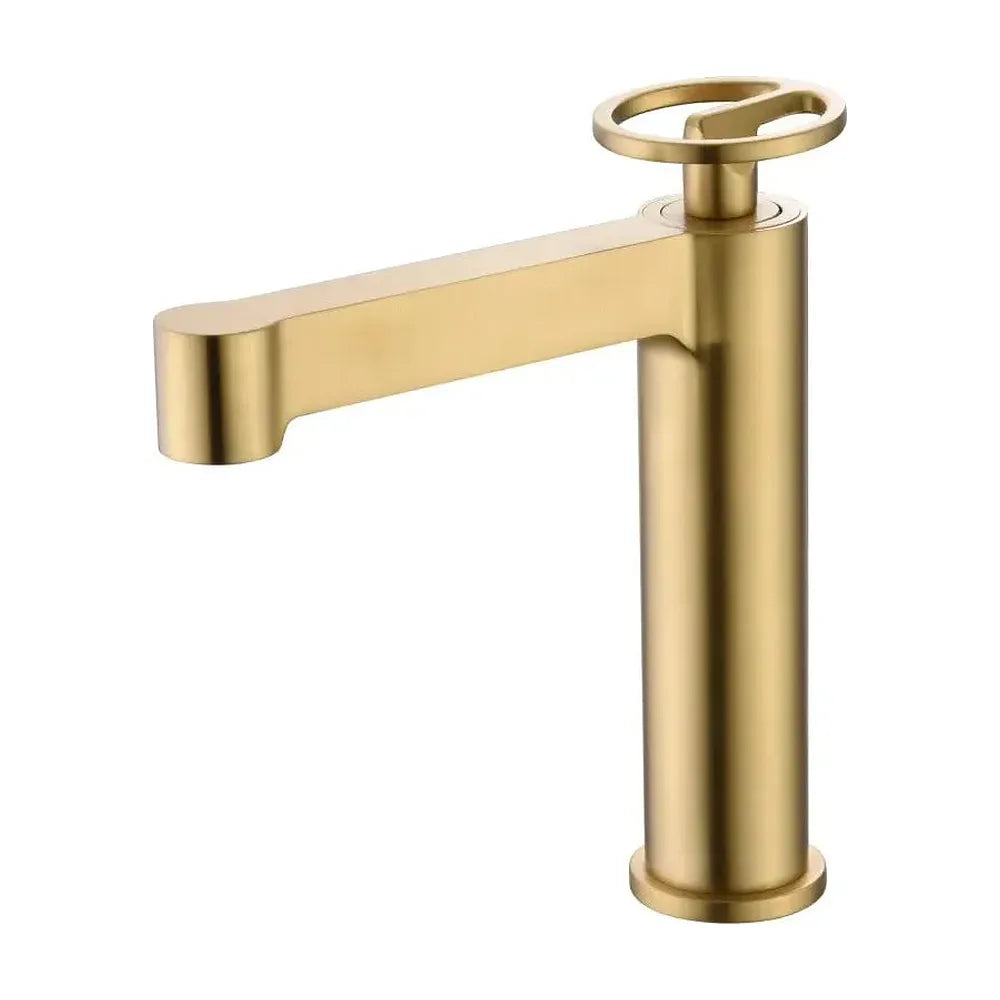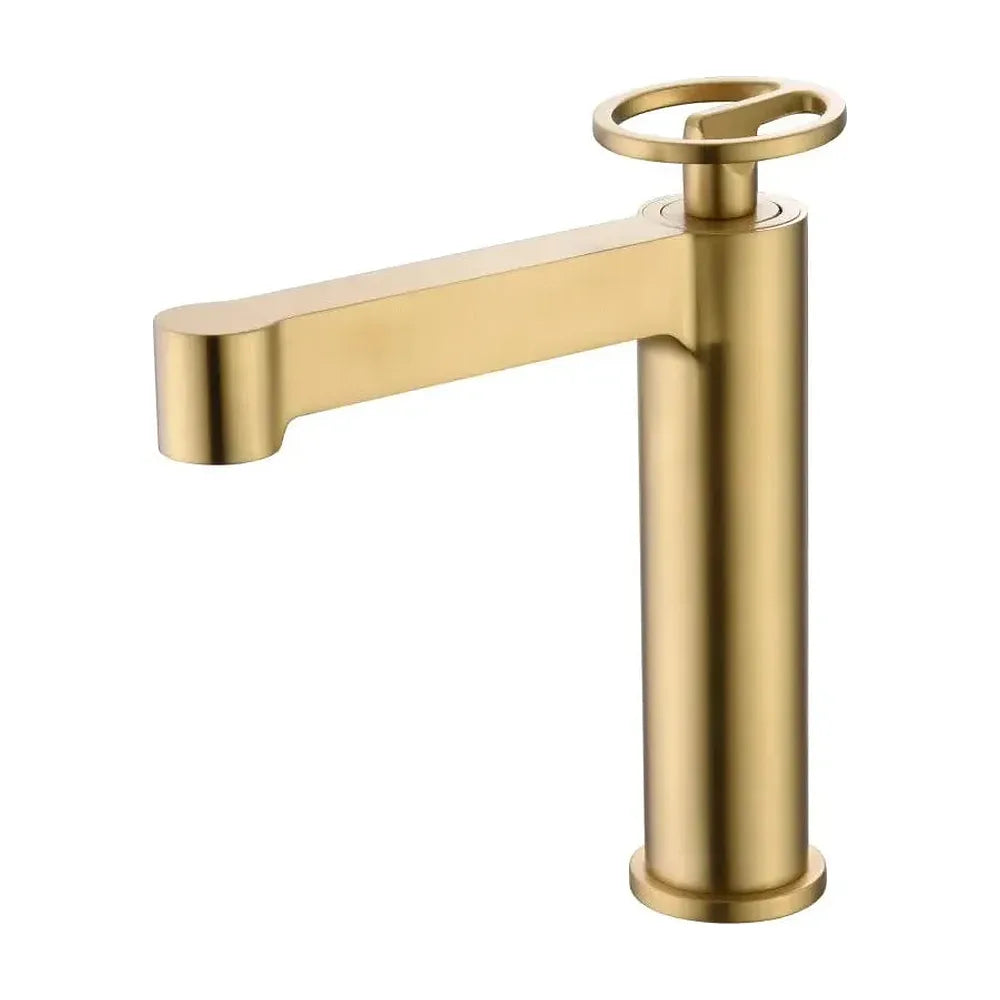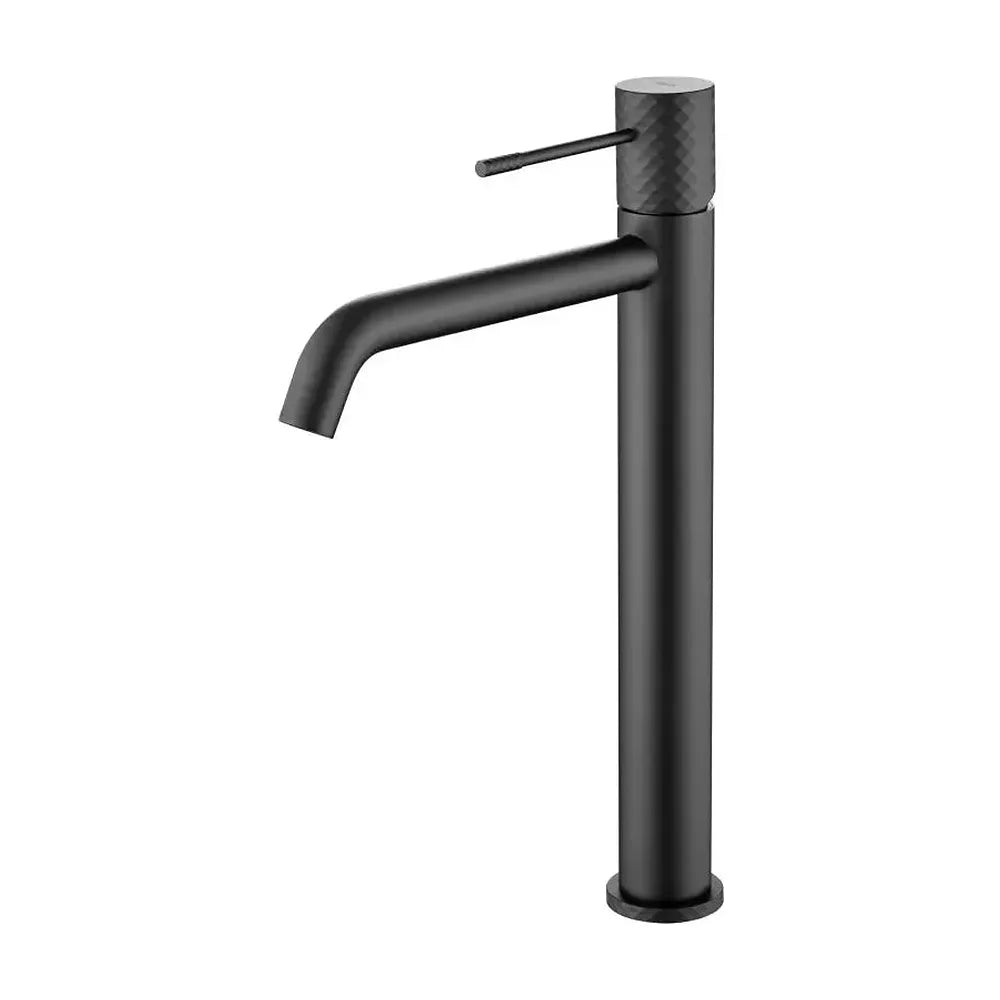
Black tapware is bathroom and kitchen tapware with a finish in black tones —mainly matte black, but also black gun metal and glossy black— applied by PVD coating over a brass or stainless steel body. It gives a contemporary look, hides limescale better than chrome, and requires gentle cleaning, without abrasive products, to preserve the colour.
Matte black has become the star finish of renovations in recent years, and with good reason: it dresses any bathroom or kitchen with a current feel without resorting to flashy colours. But choosing black tapware means understanding what types of black exist, how to maintain it so it does not lose its tone, and what to combine it with. In this guide we bring together everything you need to know, with real examples from the Merkimarket tapware catalogue.
Key facts about black tapware
- Common finishes: matte black (the most in demand), black gun metal (dark graphite grey), and glossy black.
- How the colour is achieved: PVD treatment, a physical-deposition coating that is highly resistant to abrasion and loss of tone.
- Body materials: brass in most bathroom tapware and stainless steel in several kitchen and shower models.
- Usage advantage: it hides limescale marks and fingerprints better than polished chrome.
- Essential care: cleaning with water, neutral soap, and a microfibre cloth; never abrasive products, aggressive limescale removers, or scouring pads.
- Warranty: minimum legal three-year warranty for consumers in Spain, plus the seller's commercial warranty.
With this summary you already have the essentials; next we develop each point so you can decide and care for your tapware wisely.
Matte black, black gun metal, or glossy black: they are not the same
Under the generic label of «black tapware» several finishes coexist that look and behave differently. Telling them apart is the first step to avoid a surprise when the tap arrives.
| Finish | Appearance | Behaviour | Where it shines |
|---|---|---|---|
| Matte black | Deep black without shine, velvety touch | Hides limescale and fingerprints very well; the best seller | Modern, Nordic, or industrial-style bathrooms and kitchens |
| Black gun metal | Very dark graphite grey with a slight metallic hint | Somewhat warmer than pure matte; elegant and discreet | Sophisticated settings, good with wood and stone |
| Glossy black | Black with reflection, similar to chrome but in dark | Shows fingerprints and dried drops more | Classic or art deco styles looking for contrast |
In the catalogue you will see these finishes identified with codes in the product reference: for example, the suffix NG usually corresponds to matte black and BGM to black gun metal. If you want the whole set to match, it is best to choose the same finish for the tap, waste, and visible trap.

What a black tap is made of and why it lasts
The key to a black tap not peeling within a year lies in how the colour is applied. Good black finishes are achieved by PVD (physical vapour deposition), a process that fixes a very thin and very hard layer onto the metal, with resistance to abrasion and discolouration far superior to that of simple painting or lacquering. It is the same treatment used by mid-to-high-range brushed gold or rose gold finishes.
Beneath the colour is the body. Most black bathroom tapware is made of brass, the benchmark material for its corrosion resistance and weight; in kitchen and shower it is also common to find stainless steel. A practical tip: be wary of excessively lightweight and cheap black tapware, because it usually hides zamak interiors and less durable finishes. Inside, the single-lever tap mounts a replaceable ceramic cartridge, the part that regulates flow and temperature and the one that most influences the tap not dripping over the years.
How to clean black tapware without ruining it
The black finish, especially matte, is rewarding day to day because it hides limescale, but it is sensitive to aggressive products. A strong limescale remover or a scouring pad can leave marks or worn areas impossible to recover. This is the safe routine:
- Daily or frequent cleaning. Wipe with a damp microfibre cloth after using the tap to remove splashes and drops before they dry. It is the gesture that most prolongs the good look.
- Deep cleaning. Use warm water with a little neutral soap or mild dishwashing liquid. Apply with the cloth, never directly under pressure onto joints.
- Rinse and dry. Remove any soap residue with clean water and dry with a soft cloth. Drying prevents the white limescale ring, which is enemy number one of black.
- Encrusted limescale. If limescale appears, do not resort to chemical limescale remover: apply a very mild solution of water with a few drops of vinegar only on the affected area, leave it for a short time, rub gently, and rinse immediately. Always test on an inconspicuous area.
What NOT to use, ever
Completely avoid abrasive powder cleaners, metal or hard-fibre scouring pads, bleach, concentrated bathroom descalers, and products with strong acids. They all attack the colour layer and, once the finish is damaged, there is no going back. When in doubt, water and neutral soap is always the safest option.

Combinations that work with black tapware
Black is surprisingly versatile because it acts as a neutral with character. These are the combinations that give the best result:
- Black + white: the safe bet. White basin and sanitaryware with black tapware create a clean, timeless contrast that never fails.
- Black + wood: a countertop or bathroom cabinet in a wood tone softens the black and adds warmth; ideal in Nordic style.
- Black + grey or microcement: for industrial or minimalist settings, black reinforces the grey palette without breaking it.
- Black + gold: an elegant and on-trend combination, but it requires skill: reserve it for details (handles, mirror) and keep the tapware in a single finish per room.
The golden rule is not to mix several tapware finishes in the same bathroom. If you choose black for the basin tap, take the same black to the shower and the accessories. If you want to go deeper into matching tones, our guide on how to combine finishes in the bathroom: black, gold, and chrome will help you.
Black tapware in basin, shower, and kitchen
Black works in all three areas, although it is worth keeping some nuances in mind in each one.
Basin. It is where black stands out most. You can choose between deck-mounted models, high-spout ones for countertop basins, or concealed versions without a concealed box, such as the concealed matte black basin tap from the Ona series. The concealed one gives the cleanest result, but requires construction work.
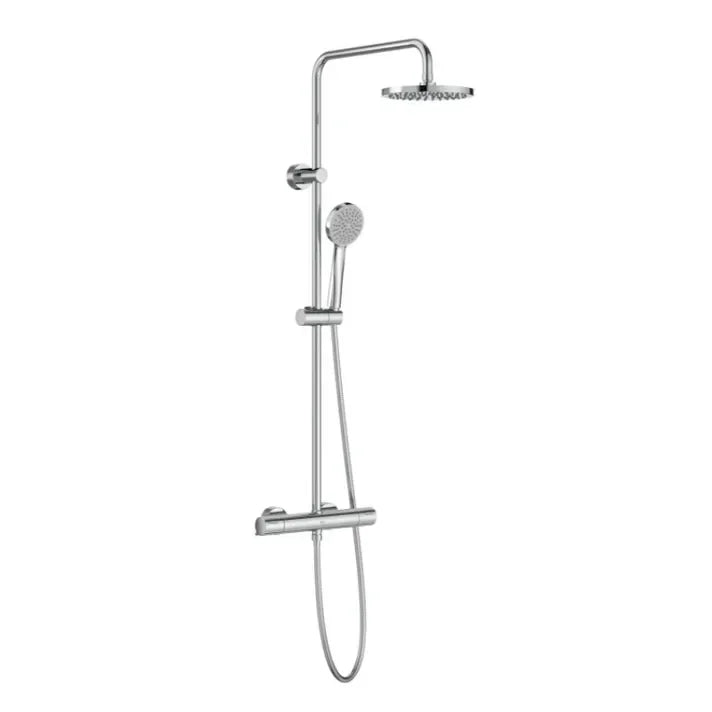
Shower. Concealed columns and sets in black dress up a lot, and here coated stainless steel resists continuous humidity particularly well. Check the bath and shower taps catalogue to see the available options.
Kitchen. The black tap combines wonderfully with resin sinks or dark countertops. Pull-out models with a double jet are the most practical, such as the pull-out matte black kitchen tap from the Bonn series. If your kitchen has a lot of limescale in the water, matte black will help you hide the marks between cleanings.

Whatever the area, choose the finish first and keep it consistent across the whole set. If you are still unsure between types and finishes, in our guide on bathroom tapware: types and finishes we develop it in depth, and if you are especially drawn to black from a specific brand, you can see the analysis of IMEX in matte black.
Frequently asked questions about black tapware
Does matte black tapware peel over time?
If the finish is of quality (PVD coating over brass or steel), it is very resistant and does not peel with normal use. What can damage it is cleaning with abrasive products or aggressive limescale remover. With water and neutral soap it keeps its tone for years.
Does matte black show limescale and fingerprints a lot?
Unlike polished chrome, matte black hides fingerprints and limescale marks quite well. Even so, drying the tap after use is what best maintains its appearance, especially in hard-water areas.
What colour does black tapware combine best with?
With white it is the safest and most timeless combination. It also works very well with wood and with greys or microcement. Black with gold is elegant, but it is best reserved for specific details.
What is the difference between matte black and black gun metal?
Matte black is a deep black without shine; black gun metal is a very dark graphite grey with a slight metallic hint, somewhat warmer. Both are obtained with PVD and are maintained the same way; the choice is purely aesthetic.
Article written by the Merkimarket editorial team. Technical data (materials, finishes, and treatments) taken from the product sheets in the Merkimarket tapware catalogue. Availability and finishes may vary; check each sheet for the current information in Spain.